python使用多線程查詢數(shù)據(jù)庫的實(shí)現(xiàn)示例
一.背景:
當(dāng)數(shù)據(jù)量過大時(shí),一個(gè)程序的執(zhí)行時(shí)間就會(huì)主要花費(fèi)在等待單次查詢返回結(jié)果,在這個(gè)過程中cpu無疑是處于等待io的空閑狀態(tài)的,這樣既浪費(fèi)了cpu資源,又花費(fèi)了大量時(shí)間(當(dāng)然這里主要說多線程,批量查詢不在考慮范圍,總會(huì)存在不能批量查詢的情況),在這種非密集型運(yùn)算(及大量占用cpu資源)的情況下在python中無疑運(yùn)用多線程是一個(gè)非常棒的選擇。
二.知識(shí)點(diǎn):
數(shù)據(jù)庫連接池的運(yùn)用及優(yōu)勢(shì),python中多線程的運(yùn)用,隊(duì)列的運(yùn)用
數(shù)據(jù)庫連接池:限制了數(shù)據(jù)庫的連接最大個(gè)數(shù),每次連接都是可以重復(fù)使用的,當(dāng)然也可以限制每個(gè)連接的重復(fù)使用次數(shù)(這個(gè)在這里是沒必要的),需要注意的是設(shè)置的數(shù)據(jù)庫的最大連接個(gè)數(shù)最好要大于我們自己開的最大線程個(gè)數(shù),一般邏輯是每個(gè)線程占用一個(gè)數(shù)據(jù)庫連接可以使程序達(dá)到最大速度,如果小于則可能存在同時(shí)連接個(gè)數(shù)大于數(shù)據(jù)庫允許的最大連接個(gè)數(shù)的風(fēng)險(xiǎn)。使用數(shù)據(jù)庫連接池的優(yōu)勢(shì)在于,python多線程并發(fā)操作數(shù)據(jù)庫,會(huì)存在鏈接數(shù)據(jù)庫超時(shí)、數(shù)據(jù)庫連接丟失、數(shù)據(jù)庫操作超時(shí)等問題,而數(shù)據(jù)庫連接池提供線程間可共享的數(shù)據(jù)庫連接,并自動(dòng)管理連接。
python多線程:在程序等待io的時(shí)間里調(diào)用多線程去數(shù)據(jù)庫執(zhí)行查詢操作。
隊(duì)列:這個(gè)就是數(shù)據(jù)結(jié)構(gòu)里面的知識(shí)了,一般隊(duì)列的常用模式先進(jìn)先出隊(duì)列。(這里主要用的是隊(duì)列取一個(gè)數(shù)就少一個(gè)數(shù)的原理,其實(shí)用列表也可以實(shí)現(xiàn),他的先進(jìn)先出主要強(qiáng)調(diào)的是一個(gè)順序關(guān)系,這一點(diǎn)到?jīng)]用上,就當(dāng)是練練手了)
三.兩段代碼作比較:
數(shù)據(jù)庫的截圖:
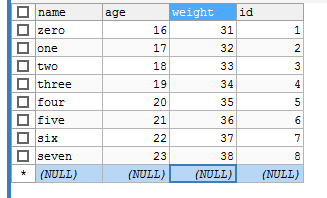
第一段代碼:正常循環(huán)查詢并打印出執(zhí)行時(shí)間
#!/usr/bin/python# -*- coding=utf-8 -*-import timeimport threadingimport MySQLdbimport Queuefrom MySQLdb.cursors import DictCursorfrom DBUtils.PooledDB import PooledDBdef mysql_connection(): host = ’localhost’ user = ’root’ port = 3306 password = ’123456’ db = ’test’ charset = ’utf8’ limit_count = 3 # 最低預(yù)啟動(dòng)數(shù)據(jù)庫連接數(shù)量 pool = PooledDB(MySQLdb, limit_count, maxconnections=15, host=host, user=user, port=port, passwd=password, db=db, charset=charset, use_unicode=True, cursorclass=DictCursor) return poolstart = time.time()pool = mysql_connection()for id in range(50): con = pool.connection() cur = con.cursor() sql = ’’’select id,name,age,weight from test where id = %s ’’’%id cur.execute(sql) time.sleep(0.5) result = cur.fetchall() if result: print(’this is tread %s (%s,%s,%s,%s)’%(id,result[0][’id’],result[0][’name’],result[0][’age’],result[0][’weight’])) else: print(’this tread %s result is none’%id)end = time.time() - startprint(end)
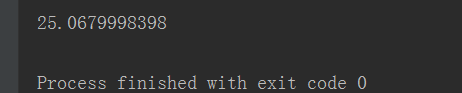
執(zhí)行結(jié)果:
第二段代碼:限制數(shù)據(jù)庫連接池最大15個(gè)連接,用隊(duì)列限制最大線程個(gè)數(shù)為10個(gè)
#!/usr/bin/python# -*- coding=utf-8 -*-import timeimport threadingimport MySQLdbimport Queuefrom MySQLdb.cursors import DictCursorfrom DBUtils.PooledDB import PooledDBdef mysql_connection(): host = ’localhost’ user = ’root’ port = 3306 password = ’123456’ db = ’test’ charset = ’utf8’ limit_count = 3 # 最低預(yù)啟動(dòng)數(shù)據(jù)庫連接數(shù)量 pool = PooledDB(MySQLdb, limit_count, maxconnections=15, host=host, user=user, port=port, passwd=password, db=db, charset=charset, use_unicode=True, cursorclass=DictCursor) return pooldef tread_connection_db(id): con = pool.connection() cur = con.cursor() sql = ’’’select id,name,age,weight from test where id = %s ’’’%id cur.execute(sql) time.sleep(0.5) result = cur.fetchall() if result: print(’this is tread %s (%s,%s,%s,%s)’%(id,result[0][’id’],result[0][’name’],result[0][’age’],result[0][’weight’])) else: print(’this tread %s result is none’%id) con.close()if __name__==’__main__’: start = time.time() #創(chuàng)建線程連接池,最大限制15個(gè)連接 pool = mysql_connection() #創(chuàng)建隊(duì)列,隊(duì)列的最大個(gè)數(shù)及限制線程個(gè)數(shù) q=Queue.Queue(maxsize=10) #測(cè)試數(shù)據(jù),多線程查詢數(shù)據(jù)庫 for id in range(50): #創(chuàng)建線程并放入隊(duì)列中 t = threading.Thread(target=tread_connection_db, args=(id,)) q.put(t) #隊(duì)列隊(duì)滿 if q.qsize()==10: #用于記錄線程,便于終止線程 join_thread = [] #從對(duì)列取出線程并開始線程,直到隊(duì)列為空 while q.empty()!=True:t = q.get()join_thread.append(t)t.start() #終止上一次隊(duì)滿時(shí)里面的所有線程 for t in join_thread:t.join() end = time.time() - start print(end)
程序備注應(yīng)該還算比較清晰的哈,程序執(zhí)行結(jié)果:

四.結(jié)論:
看結(jié)果說話
到此這篇關(guān)于python使用多線程查詢數(shù)據(jù)庫的實(shí)現(xiàn)示例的文章就介紹到這了,更多相關(guān)python 多線程查詢數(shù)據(jù)庫內(nèi)容請(qǐng)搜索好吧啦網(wǎng)以前的文章或繼續(xù)瀏覽下面的相關(guān)文章希望大家以后多多支持好吧啦網(wǎng)!
相關(guān)文章:
1. Android table布局開發(fā)實(shí)現(xiàn)簡(jiǎn)單計(jì)算器2. 理解PHP5中static和const關(guān)鍵字3. jQuery 實(shí)現(xiàn)DOM元素拖拽交換位置的實(shí)例代碼4. php模擬實(shí)現(xiàn)斗地主發(fā)牌5. IntelliJ IDEA安裝插件的方法步驟6. phpstorm恢復(fù)默認(rèn)設(shè)置的方法步驟7. Vue封裝一個(gè)TodoList的案例與瀏覽器本地緩存的應(yīng)用實(shí)現(xiàn)8. Python random庫使用方法及異常處理方案9. Vuex localStorage的具體使用10. .Net Core使用Coravel實(shí)現(xiàn)任務(wù)調(diào)度的完整步驟
 網(wǎng)公網(wǎng)安備